
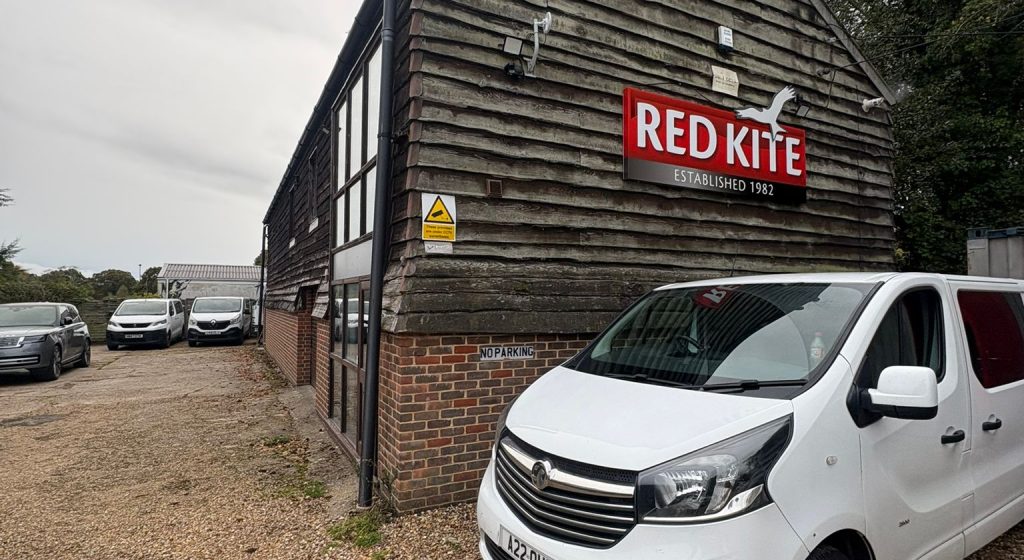
Two Unit Visits — Fire Alarm Fault Resolution and Backup Battery Replacements
Unit 1


On our first visit to the RedKite site, the fire alarm system reported a fault within Zone 3. This area was under refurbishment and had been exposed to weather. On investigation we found:
- A faulty manual call point inside the zone
- A malfunctioning optical smoke detector
- Backup batteries that were over 5 years old
We replaced the call point and smoke detector while on‑site, and also replaced the aged backup batteries to restore reliable standby power.


Unit 2
On the second unit at the same site, we carried out a full scheduled fire alarm service. During the visit we found the backup batteries were starting to fail and therefore replaced them as part of the service.
Furthermore, we documented a couple of observations and sent these to the customer for review (e.g., potential drift in detector sensitivity / recommendation for next regulatory interval).
Compliance & Best‑Practice Notes
- The system falls under the scope of BS 5839‑1 (the code of practice for fire detection and fire alarm systems for non‑domestic premises) which recommends a minimum six‑monthly servicing interval by a competent person.
- Under the newly issued BS 5839‑1:2025 some of the key changes include updated backup battery calculations, documentation of modifications and accessible interfaces. The replacement of aged standby batteries is prudent since degraded batteries can compromise system reliability under fault or mains‑loss conditions. As discussed in practitioner forums, ensuring battery capacity remains adequate is vital.
Outcome & Client Benefit
- Both units now have functioning detection devices and fresh standby batteries, improving both immediate safety and longer‑term reliability.
- On‑site resolution of the Zone 3 fault means the client now has confidence in the system’s readiness for evacuation or fire‑response scenarios.
- Documentation of observations will help with future maintenance planning and budget forecasting.


